
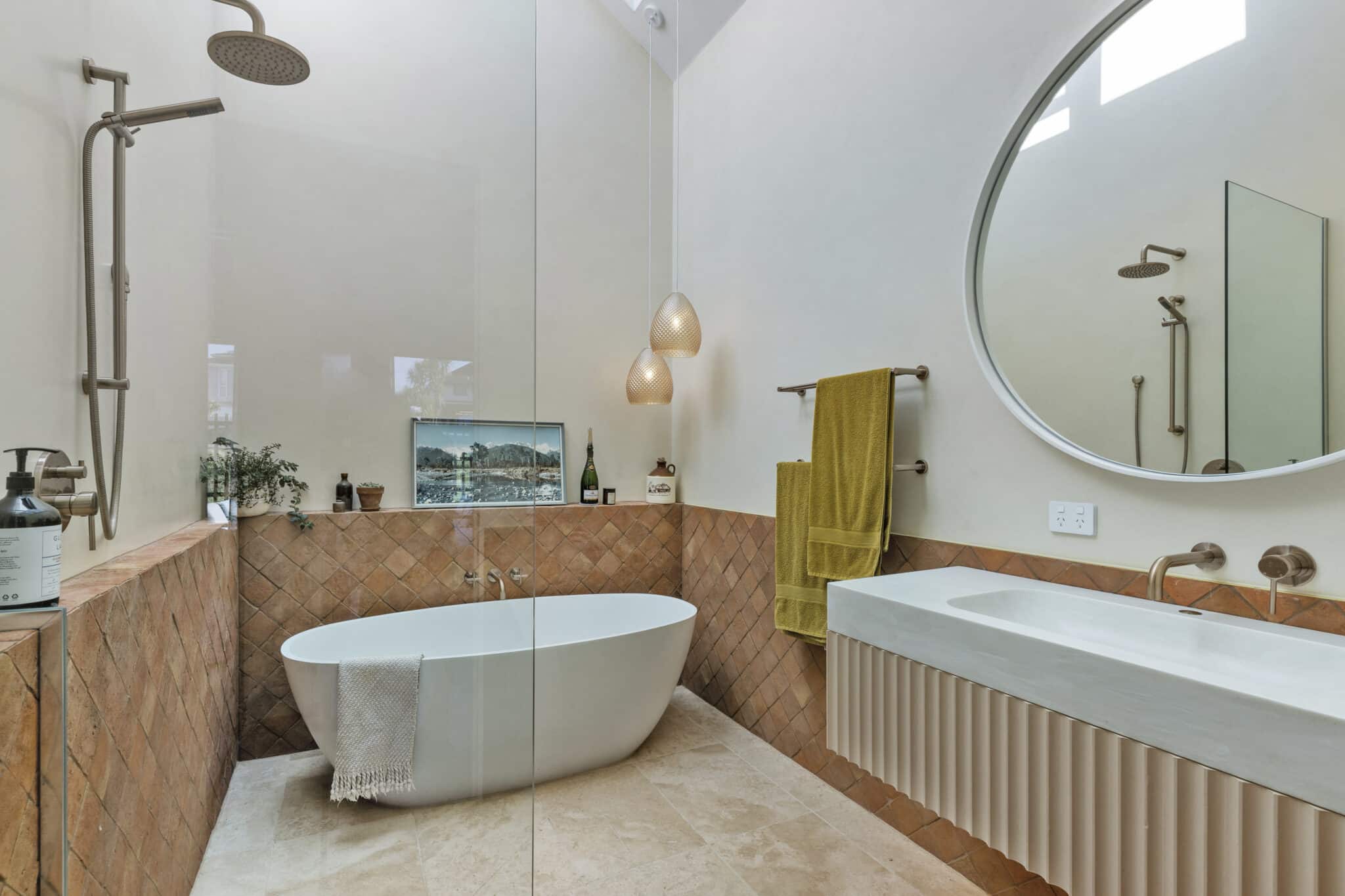
Bathroom renovations can look simple on the surface. New tiles, a fresh vanity, updated tapware, and improved lighting can seem like a straightforward cosmetic upgrade. In reality, bathroom projects are rarely just about finishes. Once waterproofing, plumbing, ventilation, layout constraints, product lead times, and consent questions come into play, the project becomes far more technical than many homeowners expect.
For Auckland homeowners, the best place to start is with clarity. Before you compare prices or commit to JRA Construction, it helps to understand the likely scope of work, what may affect consent, what tends to influence cost, and how to design a bathroom that works well for your household long after the renovation is complete. If you are planning a wider home upgrade, it can also help to read JRA Construction’s guide to home renovations for Auckland homeowners so the bathroom project fits into the bigger picture.
What should Auckland homeowners know before starting a bathroom renovation?
Auckland homeowners should know that a bathroom renovation is not just a styling project. It is a planning, compliance, and sequencing project as much as it is a construction one. The smoothest renovations begin with a clear scope, realistic expectations around cost and timing, and an early review of whether the work may affect plumbing, waterproofing, structure, or consent requirements.
Homeowners should also understand that not all bathroom renovations are equal. Replacing like-for-like fixtures in similar positions is very different from adding new sanitary fixtures, installing a tiled wet area shower, or reworking a bathroom inside an apartment or multi-level building. Those decisions affect complexity, trade coordination, and approvals. The earlier those issues are identified, the easier it is to make good decisions before money is spent in the wrong place.
A practical way to think about the project is to break it into three questions. What do you want to improve? What could make the project more complex? What should be clarified before you ask anyone to quote or build? Homeowners who answer those questions early usually make stronger decisions on layout, timing, materials, and budget expectations.
WANT AN INSTANT ONLINE ESTIMATE?
Why do homeowners renovate a bathroom in the first place?
Most bathroom renovations begin because the space no longer works properly. In some homes, the bathroom feels dated and tired. In others, there are practical issues such as poor ventilation, awkward storage, moisture problems, or a layout that makes daily use frustrating. For some households, the renovation is driven by family needs, accessibility, resale preparation, or a desire for a more comfortable and polished finish.
A bathroom has a disproportionate effect on how a home feels because it is used every day and needs to perform well in a moisture-heavy environment. A bathroom that looks attractive but is hard to clean, poorly ventilated, or badly waterproofed can become an ongoing problem. A well-planned renovation improves comfort, functionality, maintainability, and confidence in the home overall.
It can also be a chance to fix issues before they become more serious. Rot, outdated plumbing arrangements, poor detailing, and inadequate extraction are all easier to deal with when a renovation is approached properly from the start.
Some homeowners also renovate because the bathroom no longer matches the way the household lives. A space that worked for one or two adults may not work for a growing family. A bathroom that once felt acceptable may become frustrating once storage needs increase or morning routines become busier. In those cases, the renovation is less about appearance alone and more about improving how the home functions every day.
What types of bathroom renovations are possible?
Not every bathroom renovation involves the same level of work. Most projects fall into one of several broad categories:
- Cosmetic refresh: repainting, replacing fittings, updating lighting, changing a vanity, or refreshing finishes while keeping the layout largely intact.
- Full bathroom renovation: stripping the room back, replacing fixtures, upgrading surfaces, improving storage, and modernising the overall layout and appearance.
- Layout-change renovation: moving the toilet, shower, bath, or vanity to improve how the room works.
- Specialist renovation: projects involving tiled wet area showers, accessibility upgrades, custom joinery, or apartment-specific constraints.
If you are weighing bathroom work against a broader remodelling project, JRA Construction’s kitchen renovations guide for Auckland and home extensions guide can help frame how different renovation types compare.
Each category comes with a different level of planning demand. A cosmetic refresh may still need good product selection and moisture awareness, but it generally has fewer moving parts. A full renovation or layout change typically needs more detailed thinking around waterproofing, service locations, sequencing, and how one change will affect the rest of the room. Knowing which category your project sits in helps set more realistic expectations from the beginning.
How much does a bathroom renovation cost in Auckland?
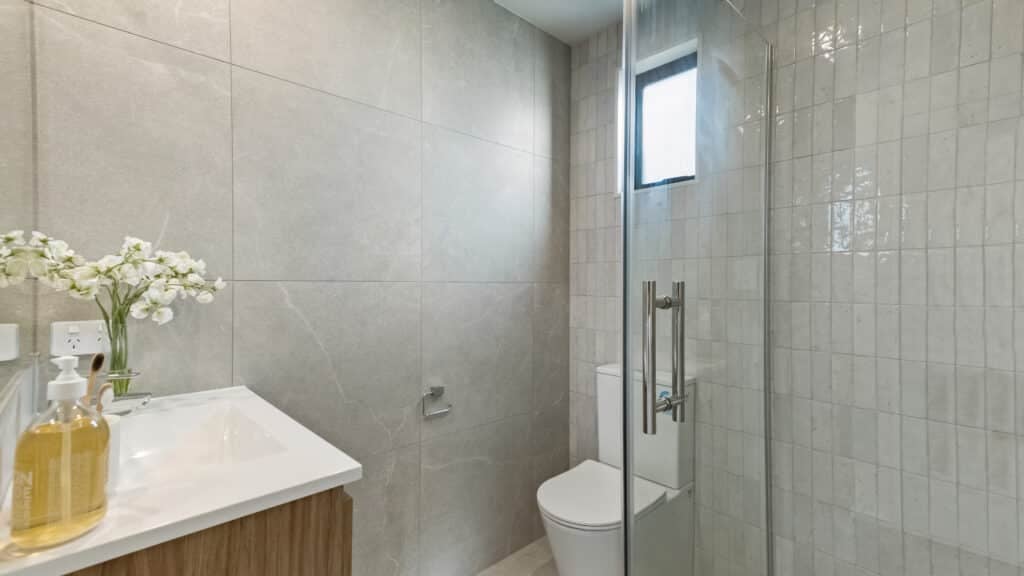
The honest answer is that bathroom renovation costs in Auckland vary significantly depending on the scope of work, level of finish, and technical complexity hidden behind the walls and under the floor. There is no single number that is genuinely useful across every project.
What homeowners should focus on first is not finding a generic figure online. It is understanding what kind of renovation they are actually planning. A refresh that keeps the layout largely the same is very different from a renovation that introduces a new shower format, relocates plumbing, upgrades extraction, or involves apartment-specific constraints.
Here is a simple way to think about cost from a planning perspective:
Renovation type | What usually drives cost |
Cosmetic refresh | Finish selections, replacement fixtures, labour, minor electrical or plumbing adjustments |
Full renovation | Demolition, waterproofing, tiling, new fixtures, extraction, joinery, hidden repairs |
Layout-change renovation | Plumbing relocation, construction complexity, extra coordination, possible consent-related work |
Apartment or multi-level renovation | Access constraints, fire separation issues, penetrations, building rules, coordination requirements |
The more useful question is this: what is included in the scope, what is excluded, and which decisions are most likely to change the cost? That is where early planning becomes valuable. A clearly defined brief makes it easier to compare quotes properly and reduces the risk of discovering halfway through the project that important items were never fully included.
It also helps to remember that cost conversations are often distorted when a homeowner compares a broad internet estimate to a real project with site-specific constraints. A proper bathroom renovation brief is not just a style wishlist. It is a practical document that explains what is staying, what is changing, what level of finish is expected, and what technical work may sit behind the visible result.
What affects bathroom renovation cost the most?
A few factors tend to influence bathroom renovation costs more than anything else.
Cost factor | Why it mattersensures the finished bathroom performs |
Layout changes | Moving fixtures usually increases plumbing complexity and coordination |
Shower format | Tiled wet area showers typically involve more detailed waterproofing and construction work |
Finish level | Tile choice, tapware, glazing, joinery, and lighting can shift the project up or down in cost |
Hidden condition | Moisture damage, substrate issues, and old work can create extra repairs after demolition |
Building type | Apartments and multi-level buildings often add access, fire separation, and management constraints |
Planning quality | Vague briefs and late decisions often lead to pricing changes and avoidable variation costs |
This is why two bathrooms that appear similar in size can end up very different in price. The underlying complexity matters just as much as the visible finishes.
Another point worth noting is that homeowners often focus heavily on visible selections while underestimating the hidden work that ensures the finished bathroom performs properly. Waterproofing preparation, substrate correction, extraction, drainage coordination, and installation quality all matter. A bathroom that looks premium but is poorly put together can become far more expensive over time than one that was planned and executed properly from the start.
How long does a bathroom renovation take in Auckland?
Bathroom renovation timelines involve more than construction time alone. Many homeowners think only about demolition through to completion, but the real timeline often starts much earlier with planning, design decisions, quoting, and procurement.
Before work begins on site, there is usually a phase for measuring, defining the scope, choosing fixtures and finishes, confirming the build approach, and checking whether consent or specialist input may be required. Delays often begin here when major decisions are still unresolved after quotes have already been requested.
Once the build starts, the sequence needs to be managed carefully. Demolition, framing adjustments if needed, plumbing and electrical work, substrate preparation, waterproofing, tiling, installation, finishing, and final detailing all depend on one another. If materials arrive late, if selections remain incomplete, or if hidden issues appear during demolition, the programme can stretch.
If you want a broader sense of how planning affects project timing in residential work, JRA Construction’s article on construction project management and its guide to planning your new build are both useful sources of context.
Homeowners often feel frustrated by timeline blowouts because the delay is blamed on the build itself when the real problem began earlier. In many cases, uncertainty around products, layout decisions, or technical constraints slows the project down before site work has even settled into a rhythm. That is another reason why early planning matters. The more questions you answer before work begins, the more stable the programme usually becomes.
Do you need building consent for a bathroom renovation in Auckland?
Sometimes yes, sometimes no. It depends on the type of work involved.
According to Auckland Council’s kitchen and bathroom renovation guidance, some kitchen and bathroom plumbing and drainage work may not require building consent if it falls within exempt work and is carried out by an authorised person. That is important, but it should not be treated as a blanket rule that all bathroom renovations are consent-free.
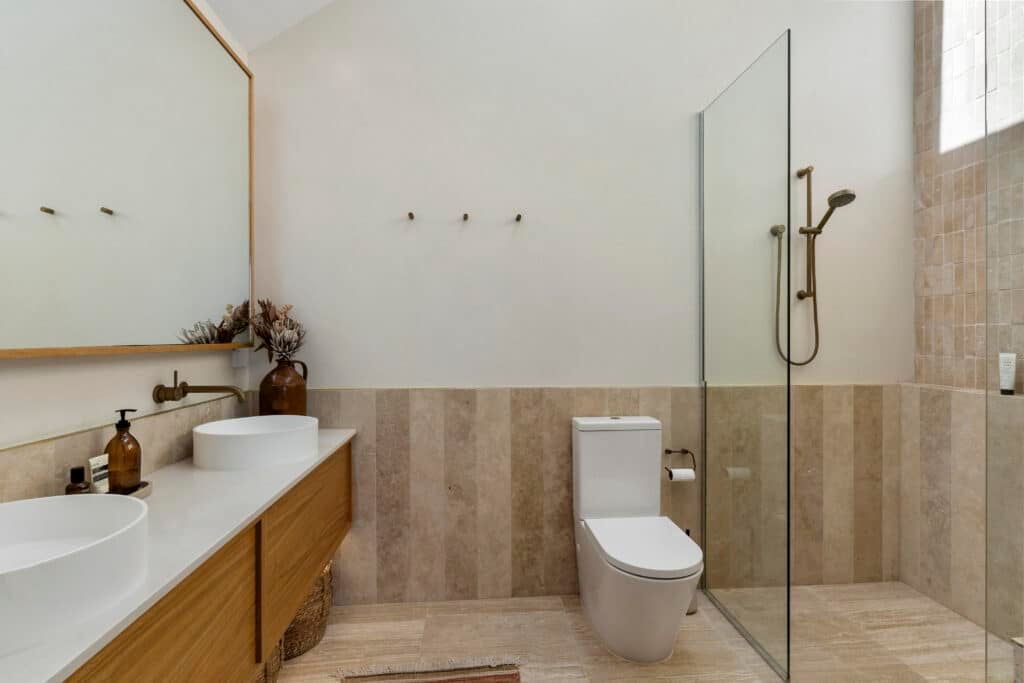
Consent is typically required where the work goes beyond low-risk alterations. Based on current guidance, this commonly includes tiled wet area showers, adding new sanitary fixtures where they did not exist before, and work that affects structure or fire separation, especially in apartments or multi-level buildings.
Even where consent is not required, the work must still comply with the Building Code. That matters because homeowners sometimes confuse consent exemption with permission to take shortcuts. They are not the same thing.
The MBIE exempt building work guidance was updated on 15 January 2026. Homeowners should confirm project-specific consent requirements before starting work.
This is one of the most important parts of the planning process because a wrong assumption here can affect both timing and cost. If consent issues are discovered too late, it can disrupt pricing, delay start dates, or force changes to the proposed layout. A short early review is usually far easier than trying to solve the issue once the project is already underway.
What bathroom renovation work usually does not need consent, and what work usually does?
In general, lower-risk bathroom work may not require building consent when it fits within exempt categories and is completed properly by the right authorised professionals, where required. Examples may include repositioning or replacing sanitary fixtures within an existing bathroom in some circumstances, or carrying out certain repair and replacement work without fundamentally changing the building layout or adding new fixtures.
By contrast, some types of work more often require consent. A tiled wet area shower is a key example because it involves critical waterproofing and associated building work, not just fixture replacement. Adding extra sanitary fixtures can also trigger consent requirements. So can work that affects structural elements, penetrations, or fire separation in apartments and multi-level buildings.
There are also grey areas. A project may feel minor from a homeowner’s perspective but still create compliance issues because of how it interacts with joists, framing, membranes, drainage, or shared building elements. If licensed plumbing or drainage work is involved, homeowners should also verify the trade professional on the Plumbers, Gasfitters and Drainlayers Board public register.
It is also worth remembering that the practical effect of a design choice may be bigger than the choice itself. A homeowner might think they are only changing a shower type or shifting a vanity slightly, but the knock-on effect could touch framing, membranes, penetrations, or service routes. That is why project-specific advice matters more than broad assumptions.
What are the most common problems homeowners run into with bathroom renovations?
The most common problems usually stem from poor planning rather than poor taste. Homeowners often run into issues such as:
- starting with inspiration images before clarifying the actual scope
- underestimating waterproofing and moisture management
- making key decisions too late in the process
- comparing quotes that are not based on the same inclusions
- overlooking apartment access, fire separation, or building management constraints
- choosing a layout that looks good on paper but does not work in daily life
The strongest bathroom projects avoid these issues by defining the brief early and stress-testing the plan before construction begins.
Another common issue is expecting the builder or contractor to solve unresolved design decisions mid-project. Good teams can help guide a renovation, but they still need a workable brief and clear direction. If major decisions remain open once the site is live, the project becomes more reactive, and that usually increases both stress and cost.
What should homeowners plan before asking for bathroom renovation quotes?
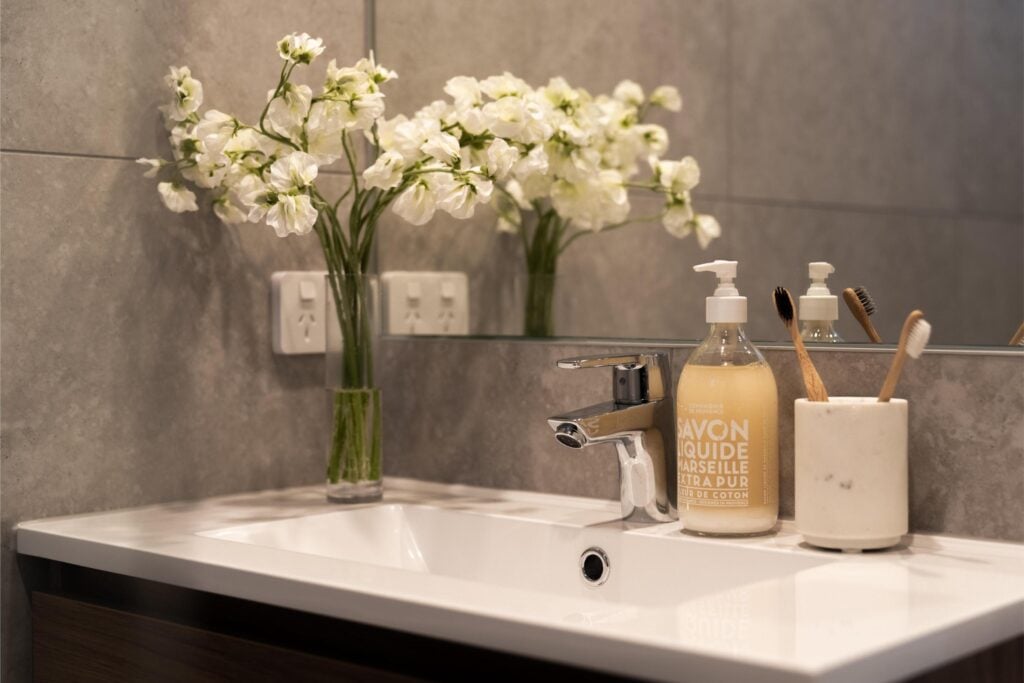
Before requesting quotes, homeowners should define what they are trying to achieve. Is the goal to modernise the room, improve storage, create a better layout, resolve moisture issues, improve accessibility, or prepare the home for sale? The clearer the objective, the clearer the scope.
A useful checklist before quoting includes:
- What is staying and what is changing
- whether the layout will remain similar or be reworked
- whether the project is in a house, apartment, or multi-level building
- the preferred level of finish and product quality
- any known moisture, ventilation, or maintenance problems
- whether another bathroom will be available during the works
- whether a feasibility review should happen before formal pricing
You do not need to select every finish before quoting, but the design direction should be clear enough to avoid guesswork. The more ambiguity there is, the harder it becomes to compare pricing or understand what has been left out.
It is also sensible to consider the decision-making process within the household. Who needs to approve selections? How quickly can products be signed off? Are there non-negotiables around budget or timing? These may sound like small issues, but they often affect how quickly a project moves from planning to building.
How do you design a bathroom that works well long term?
A good bathroom design does more than follow trends. It should be easy to use, easy to clean, durable, and suited to the way the household actually lives.
That starts with layout. The bathroom should be comfortable to move around in, with fixtures positioned logically and enough clearance to use the room properly. Storage should be practical, not an afterthought. Mirrors, lighting, power points, and ventilation should support real daily use.
Material selection matters too. Some finishes may look impressive in a showroom but prove harder to maintain in a busy household. A bathroom that performs well over time usually balances visual appeal with durability and ease of cleaning.
Long-term thinking becomes even more important if the household may change over time. A family with young children, a couple planning to stay in the home for years, or homeowners considering future accessibility may all need a different design approach than someone doing a short-term cosmetic update.
JRA Construction’s earlier piece on bathroom renovation ideas in Auckland can be a useful supporting read for homeowners weighing style against practical performance.
The best long-term bathroom designs usually come from asking more practical questions upfront. How easy will this be to clean? Will this layout still work in five or ten years? Are the finishes durable enough for how the room is actually used? Those questions often lead to better decisions than simply chasing the latest trend.
What is the renovation process from first idea to completed bathroom?
A well-run bathroom renovation usually follows a clear sequence:
- Discovery and planning: assess the existing bathroom, clarify goals, measure the space, and test the likely scope.
- Concept development: think through layout, fixture strategy, function, and finish level.
- Feasibility and compliance review: check likely consent implications, constraints, and technical issues before pricing.
- Documentation and quoting: create a clearer brief so quotes are more accurate and easier to compare.
- Selections and procurement: choose products and finishes early enough to avoid delays.
- Construction: complete demolition, services, preparation, waterproofing, installation, finishing, and final checks in the right order.
- Completion and handover: review the finished result and make sure the bathroom performs as intended.
The reason this sequence matters is simple. Bathroom projects involve multiple trades working in a tight space where each stage depends on the last one being done properly. If planning is rushed or sequencing breaks down, the project becomes more vulnerable to delays, rework, and compromised quality. A good process protects the finished result as much as it protects the programme.
Plan a bathroom renovation with JRA Construction
Understanding layouts, waterproofing, and consent is one thing. Executing a bathroom renovation without blowing the budget or running into avoidable surprises is another.
We know Auckland homeowners are right to be cautious here. Bathrooms are compact rooms, but they carry a high risk of hidden issues. One poor decision around waterproofing, plumbing, extraction, or sequencing can create problems that are expensive to fix later. That is why we take a planning-first approach.
1. We start with feasibility, not guesswork
Many renovation problems start because the scope is still vague when prices are requested. You may know you want a better bathroom, but not yet know whether the layout should change, whether a tiled wet-area shower is feasible, or whether the room has hidden constraints that could affect cost and timing.
We would rather help clarify those issues early than let them become expensive surprises later. Instead of rushing straight to a build number, we focus on what is actually possible, what may create complexity, and what should be resolved before the project moves into pricing and construction.
2. We look at the bathroom in the context of the whole home
A bathroom does not sit in isolation. It connects to ventilation, plumbing, neighbouring rooms, access, and sometimes wider renovation priorities. Because we work across renovations, extensions, new builds, and quantity surveying, we can view the bathroom as part of the broader home rather than a disconnected upgrade.
That matters when a homeowner is weighing a bathroom renovation against other work or deciding how far to take the project. We help clients think through those trade-offs before they commit.
3. We aim for clarity, not surprises
We position our work around expert craftsmanship, quantity surveying, and budget awareness. For bathroom renovations, that matters because stress usually comes from unclear assumptions, not just from the work itself. We believe a clearer brief, better visibility around likely constraints, and more realistic planning lead to a calmer process and stronger decisions.
If you want more than someone to simply install finishes, and you want a team that helps you think through the scope properly before money is committed, that is where we believe JRA Construction adds real value.
Conclusion
Starting a bathroom renovation without proper planning is one of the fastest ways to end up with avoidable delays, cost confusion, and design decisions that do not serve your home well long term. The strongest projects begin with clarity around scope, timing, consent, layout, and the real trade-offs behind the finished result.
If you are thinking about renovating your bathroom in Auckland, the best next step is to book a feasibility study or project consultation so you can understand what is possible, what needs to be considered, and how to move forward with confidence.
