
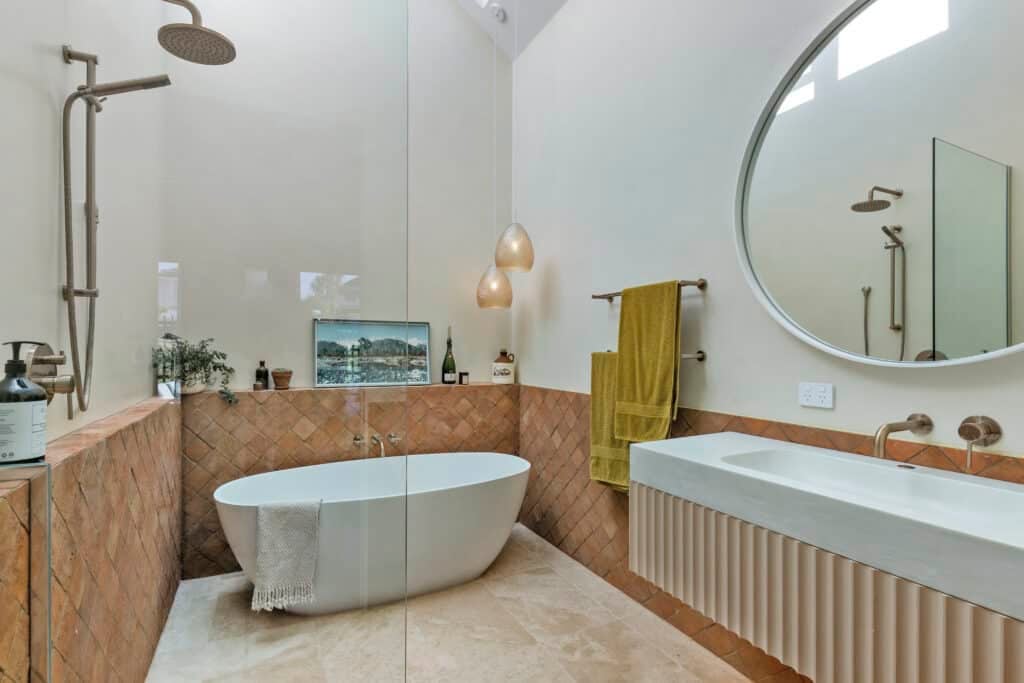
A bathroom renovation is one of the most common residential projects in Auckland, and one of the most misunderstood. What appears to be a straightforward cosmetic upgrade often involves waterproofing, plumbing relocation, consent questions, ventilation requirements, and trade coordination that most homeowners only discover once the project is underway.
This guide covers what Auckland homeowners actually need to know before committing to a bathroom renovation: realistic costs, timelines by scope, consent rules, planning priorities, common mistakes, and how to choose a builder who will deliver a result that lasts.
If you are weighing a bathroom renovation alongside broader home improvements, JRA Construction's complete home renovations guide provides useful context on how different project types compare.
How Much Does a Bathroom Renovation Cost in Auckland?
Bathroom renovation costs in Auckland vary significantly based on scope, finish level, and technical complexity. A cosmetic refresh sits in a completely different category from a full strip-out with layout changes. Here are the realistic ranges for 2026:
Budget renovation ($15,000 to $25,000): Like-for-like fixture replacement, new tapware, re-tiling over existing substrate where possible, updated vanity and mirror, basic lighting upgrade. Layout stays the same. Suitable for bathrooms in reasonable structural condition that just need modernising.
Mid-range renovation ($25,000 to $45,000): Full strip-out, new waterproofing membrane, upgraded fixtures, tiled shower, custom or semi-custom vanity, improved ventilation, new lighting plan. May include minor layout adjustments within existing service locations.
High-end renovation ($45,000 to $80,000+): Complete reconfiguration, premium fixtures and fittings, underfloor heating, frameless glass, custom joinery, stone or large-format tiles, bespoke design. Often involves plumbing relocation, structural modifications, and architectural input.
What drives cost up:
| Factor | Impact |
|---|---|
| Layout changes (moving toilet, shower, or vanity) | Significant: plumbing relocation adds complexity and coordination |
| Tiled wet area showers | Moderate to high: waterproofing and fall requirements increase build time |
| Hidden damage (rot, failed membranes, old framing) | Variable: only discovered at demolition, can add $3,000 to $10,000+ |
| Apartment or multi-level constraints | High: body corporate rules, fire separation, access restrictions |
| Premium finishes (natural stone, brass fittings, heated floors) | Moderate: material and installation costs scale with specification |
For a personalised indication based on your project scope, JRA's online estimate tool provides a starting point before any formal quoting. For broader renovation cost context beyond bathrooms, see our full guide to home renovation costs in Auckland.
What's Involved in a Bathroom Renovation?
A full bathroom renovation follows a specific sequence. Each stage depends on the one before it, which is why skipping steps or making late changes creates delays.
1. Strip-out and demolition: Removing existing tiles, fixtures, linings, and sometimes framing. This is where hidden issues (moisture damage, failed waterproofing, substandard previous work) reveal themselves.
2. Structural and framing adjustments: If the layout is changing or damage is found, framing may need repair, modification, or reinforcement before anything new goes in.
3. Plumbing and electrical rough-in: Repositioning or upgrading waste lines, water supply, and electrical circuits to suit the new layout. Must be completed before linings go up.
4. Substrate and waterproofing: Installing appropriate substrate (typically tile underlay or cement board) and applying the waterproofing membrane. This is the most critical quality step in any bathroom. Poor waterproofing is one of the most common causes of long-term bathroom failures.
5. Tiling: Floor and wall tiles installed to falls (shower areas must drain correctly). Grouting and sealing follow.
6. Fixture installation: Toilet, vanity, shower screen, tapware, towel rails, mirrors, lighting, and ventilation systems fitted.
7. Finishing and commissioning: Final connections, silicone joints, cleaning, and quality checks. The bathroom is tested before handover.
A cosmetic refresh may skip steps 2 and 3, but steps 4 through 7 still apply in most renovations where tiles or wet areas are being touched.
Planning Your Bathroom Renovation
The planning phase determines whether a bathroom renovation runs smoothly or becomes a source of stress and unexpected cost. These are the decisions that matter most:
Layout: Does the current layout work, or does the room need reconfiguring? Moving a toilet is more disruptive (and expensive) than shifting a vanity. Keeping services in roughly the same positions significantly reduces cost and complexity.
Storage: Most Auckland bathrooms, particularly in villas and 1960s to 1980s homes, lack adequate storage. Built-in niches, recessed cabinets, and vanity drawers should be designed into the layout from the start rather than added as afterthoughts.
Ventilation: Auckland's humidity makes extraction critical. A bathroom without adequate ventilation will develop mould and moisture issues regardless of how well it is waterproofed. Ducted extraction to exterior (not just into the ceiling cavity) should be standard in every renovation.
Accessibility: Even if accessibility is not an immediate need, consider futureproofing. Wider doorways, hobless (level-access) showers, grab-rail blocking in walls, and non-slip flooring cost very little to include during a renovation but are expensive to retrofit later.
Household disruption: If you only have one bathroom, plan for the disruption period. A full renovation typically means 3 to 5 weeks without that bathroom. Temporary arrangements (gym membership for showers, portable toilet if needed) should be organised before demolition begins.
Do You Need Building Consent for a Bathroom Renovation in Auckland?
Whether building consent is required depends on the type of work, not the size of the project.
Consent is generally NOT required for:
- Replacing existing fixtures in the same position (like-for-like)
- Cosmetic work: painting, replacing tapware, new vanity in the same location
- Minor plumbing work carried out by an authorised person under the exempt building work schedule
Consent IS typically required for:
- Tiled wet area showers (due to the critical waterproofing and construction involved)
- Adding new sanitary fixtures where none existed before
- Structural changes (removing or modifying walls, joists, or load-bearing elements)
- Work affecting fire separation in apartments or multi-level buildings
- Changes to drainage that go beyond exempt work
According to Auckland Council's kitchen and bathroom renovation guidance, some plumbing and drainage work may not require consent when performed by an authorised person. However, this should not be treated as a blanket exemption for all bathroom work.
The MBIE exempt building work schedule (updated 15 January 2026) provides the current rules on what qualifies.
Even where consent is not required, all work must still comply with the Building Code. Consent exemption does not mean quality exemption.
For broader context on building compliance in Auckland, JRA's guide to building codes and consents covers consent requirements and compliance rules in more detail.
How Long Does a Bathroom Renovation Take?
Timelines depend on scope, but here are realistic expectations for Auckland projects in 2026:
| Renovation type | Planning phase | Construction phase | Total |
|---|---|---|---|
| Cosmetic refresh | 1 to 2 weeks | 1 to 2 weeks | 2 to 4 weeks |
| Full renovation (same layout) | 2 to 4 weeks | 3 to 5 weeks | 5 to 9 weeks |
| Layout change or structural work | 3 to 6 weeks | 5 to 8 weeks | 8 to 14 weeks |
| Apartment renovation | 4 to 8 weeks | 4 to 8 weeks | 8 to 16 weeks |
What causes delays:
- Indecision on tile selections or fixture choices after work has started
- Hidden damage discovered during demolition
- Product lead times (imported tiles and fittings can take 4 to 12 weeks)
- Consent processing times (Auckland Council has 20 working days to process an accepted building consent application; the statutory clock pauses when further information is requested, so elapsed time can be longer)
- Trades not booked in advance (plumbers and electricians in Auckland are often booked 2 to 4 weeks ahead)
The single biggest controllable factor is decision-making speed. Homeowners who finalise selections before demolition almost always finish on time. Those who leave product choices open tend to experience delays that compound through the build.
Common Bathroom Renovation Mistakes Auckland Homeowners Make
1. Underbudgeting waterproofing: Waterproofing is invisible once tiles go over it, but it is the single most important element in a bathroom. Failed waterproofing is one of the most common causes of long-term bathroom damage, and repairs typically require stripping the entire wet area back to framing. Budget properly for a quality membrane system, not the cheapest option available.
2. Choosing aesthetics over function: A beautiful bathroom that is difficult to clean, poorly ventilated, or impractical for daily use will frustrate you every day. Prioritise layout functionality, storage, and maintenance before selecting finishes.
3. Ignoring ventilation: Auckland's coastal humidity accelerates mould growth. A bathroom without ducted extraction to exterior will develop moisture issues regardless of how well the rest of the renovation is executed.
4. Comparing quotes that include different scopes: Two quotes at different price points often include different work. One might exclude waterproofing preparation, demolition, or consent fees. Compare scope before comparing price.
5. Starting without a clear brief: Vague instructions lead to vague pricing and mid-project changes. Define what is staying, what is changing, what finish level you expect, and what technical constraints exist before asking anyone to quote.
6. Assuming consent is never required: Many homeowners believe all bathroom renovations are exempt from consent. Tiled wet area showers, new fixtures, and structural changes typically require it. A wrong assumption here can create legal and financial problems down the line.
7. Selecting products without checking lead times: Imported tiles, custom vanities, and specialty tapware can take 6 to 12 weeks to arrive. If products are not ordered early enough, the build programme stalls waiting for materials.
Design Ideas That Work in Auckland Homes
Auckland's housing stock ranges from 1900s villas to modern architecturally designed homes, and each presents different bathroom renovation opportunities.
Villa and character home bathrooms: These typically have small footprints, high ceilings, and timber floors. Maximise the sense of space with wall-hung vanities, large-format tiles to reduce grout lines, recessed storage niches, and a frameless glass shower. Retain character where appropriate (period-style tapware, subway tiles) without compromising on modern waterproofing and ventilation.
1960s to 1980s homes: Often have adequate room size but dated layouts with separate shower and bath in awkward configurations. Removing a bath you never use can free up space for a larger walk-in shower, better storage, or a more generous vanity area.
Modern homes: Walk-in showers with linear drains, floating vanities with integrated basins, large-format porcelain tiles (fewer grout lines, easier maintenance), and concealed cistern toilets are all popular choices that work well in contemporary Auckland builds.
Practical considerations for all Auckland homes:
- Underfloor heating is worth considering (Auckland's mild winters still make cold bathroom floors unpleasant)
- Heated towel rails are almost standard in quality Auckland renovations
- Non-slip floor tiles are essential, particularly for households with children or elderly residents
- Natural light should be preserved or improved wherever possible (skylights, highlight windows)
How to Choose a Bathroom Renovation Builder in Auckland
Not all builders are equally suited to bathroom work. Bathrooms require a specific combination of waterproofing expertise, tiling precision, plumbing coordination, and attention to detail that general builders do not always possess.
What to look for:
- Specific experience with bathroom renovations (ask for recent examples, not just general building work)
- Clear process: do they have a structured approach to planning, quoting, and delivering bathroom projects?
- Transparency on waterproofing: who does it, what system do they use, and what warranty applies?
- Willingness to explain consent requirements honestly rather than avoiding the conversation
- Fixed-price or clearly scoped quotes with inclusions and exclusions stated
- Current insurance: public liability and contract works cover protect you if something goes wrong during the build
- Written contract: all scope, payment terms, timelines, and variation procedures documented before work starts
Questions to ask:
- What is your waterproofing method and who carries it out?
- How do you handle hidden damage discovered during demolition?
- What is your lead time from agreement to starting on site?
- Can I speak to a previous bathroom renovation client?
- What is included in your quote, and what is specifically excluded?
Red flags:
- No written scope or contract
- Reluctance to discuss waterproofing in detail
- Significantly lower price than other quotes with no explanation of what has been excluded
- No examples of completed bathroom work
- Pressure to start quickly without proper planning
If you are comparing Auckland builders for a bathroom project, JRA Construction's bathroom renovation service offers a structured feasibility and quoting process designed specifically for residential renovations.
Bathroom Renovation FAQs
Can I stay in my home during a bathroom renovation?
Yes, in most cases. If you have a second bathroom, the disruption is manageable. If you only have one bathroom, plan temporary alternatives for 3 to 5 weeks during the build phase.
Should I renovate my bathroom before selling?
A dated bathroom can reduce sale price, but a renovation only makes financial sense if the spend is proportionate to the expected return. Mid-range renovations ($25,000 to $45,000) are a common choice for Auckland resale properties because the visible improvement is significant relative to the spend.
Is it cheaper to renovate or replace the whole bathroom?
A cosmetic refresh is cheaper short-term, but if waterproofing is failing or the layout is dysfunctional, a full renovation is more cost-effective over 10+ years. Patching problems tends to cost more in the long run.
How much does tiling cost in a bathroom renovation?
Tiling is one of the larger cost items in a bathroom renovation. The actual proportion varies depending on tile format, layout complexity, and the scope of other work involved. Large-format tiles cost more per square metre but produce fewer grout lines, which can reduce ongoing cleaning and maintenance.
Do I need a designer for a bathroom renovation?
Not always. For straightforward renovations where the layout stays similar, a good builder can guide the design process. For complex layouts, multi-bathroom projects, or high-end finishes, a designer or architect adds value.
What is the best time of year to renovate a bathroom in Auckland?
Auckland's mild climate means bathroom renovations can happen year-round. However, booking trades in autumn or winter (March to August) is often easier than the busy summer period when builders are stretched across larger projects.
How do I protect my home during a bathroom renovation?
A good builder will install dust barriers, protect flooring in adjacent areas, and manage debris removal. Ask about their site protection process before work begins.
What warranty should I expect on a bathroom renovation?
Under the Building Act, you have a 12-month defect-repair period and implied warranties that the work will be done competently and with suitable materials. Beyond statutory rights, many quality builders offer additional contractual workmanship warranties (terms vary, so ask). Product warranties vary by manufacturer. Waterproofing membrane manufacturers may offer extended warranties on their systems (check specific product terms and conditions for coverage details). Get all warranties documented in writing before final payment.
JRA Construction delivers bathroom renovations across Auckland, from cosmetic refreshes to full strip-out reconfigurations. Our in-house QS provides cost certainty before you commit.
Ready to start planning your bathroom renovation? Use our online estimate tool to get a ballpark range, or get in touch to book a consultation. You can also explore our full range of services on the JRA Construction homepage.
Related reading: